Saturday, October 30, 2010

Telemann's Tafelmusik - テレマンのターフェルムジーク

最近テレマンの「ターフェルムジーク」の全曲盤4枚組CDを買った。テレマンはバロックの先駆的職人と言われる作曲家だが、商業的には近年ブーム化したことはないし、かく言う僕もバロック期の曲だったら、最近はヘンデル6: バッハ3:ヴィヴァルディ1くらいで、テレマンを聴く機会はぐっと少ない。
実は同じヤン・ベルダー率いるムジカ・アンフィオン盤の「ターフェルムジーク」はSACDを持っていて、穏やか且つ快い演奏なので時々聴いている。どちらかというと、僕はSACDの方が好きだ。楽器そのものの音質はCDも大きく違わないと思うのだが、サラウンド・ミックスのSACDの方が響きが豊かで、それに比べるとCDはやや平面的に聞こえる。願わくば全曲盤のSACDが欲しかった。


I bought a 4CD album of complete “Tafelmusik” of Telemann recently. Telemann is regarded as the pioneering craftsman among baroque composers, but he has not been in a commercial boom today, and I don’t listen to his music much, either. My recent tendency of listening would be something like Handel 6: Bach 3: Vivaldi 1 when it comes to baroque music.
Actually, I have “Tafelmusik” in SACD by the same group, Musica Amphion led by Jan Belder, and I love their calm but refreshing performance. Comparing the two, I think I like SACD more because SACD’s acoustic perspective is richer with the surround mix while the tones of instruments are not so much different each other. I wish to see a complete set in SACD.

Thursday, October 28, 2010

Back to the Mac – マックの新戦略

アップルが20日に開催した特別イベントはOSXやiLifeの新バージョンアップに関する発表だった。
iPhotoではスライドショウが付属テンプレートでほとんどプレゼンもどきに仕上がる。さらにアプリを切り替えることなく、写真の送信や返信コメントの閲覧など、機能強化が進む。iMovieの音声編集機能は使い勝手が良さそうだ。
OSX LionはiPhone/iPadで構築したアプリ管理のスキームをMacにも適用しようという狙いだ。今や米国のパソコン市場の20%にまでシェアを伸ばし巨大インフラとなったマックのアプリ販売を囲い込むことは、利益の3割をピンハネするアップルとしては当然の経営戦略だろう。内蔵ドライブを持たないMac Airが売れるに比例して、AppStoreも繁盛し、いずれアップルは一大恐竜となる図式だ。
ところでiPadだが、もう半年待てば今回の小さいAirを買えたのにと、僕はやや後悔しているが、年末にはiPadのOSのバージョンアップでマルチタスクや印刷機能の追加があるはずなので、そこまでは待ってみようと思う。


Apple held the special event on October 20th to introduce the upgrades of iLife and OSX.
With the new iPhoto 11, the slide show becomes almost like a presentation by using provided templates. It also enhances the functionality such as sending photos and reading reply comments within the application. The new audio editing in iMovie looks intuitive and handy.
Apple aims to expand the scheme of application management established in iPhone/iPad business to Mac itself. Mac has now been grown to a huge infrastructure sharing 20% of US market, and it is a logical step for them to keep the flock of applications withing their turf from the viewpoint of management strategy as long as it secures them 30% commission out of the profit. As Mac Air with no optical drive penetrates more in the market, AppStore will get busier, and it will lead Apple to morph into a monstrous tyrannosaur soon.
Regarding my iPad, I now think repentantly that the new smaller MacAir could have been the better choice if I waited for these 6 months, but on the other hand iPad OS upgrade is expected toward the end of the year with long-waited multi-tasking and printing functions, so I will definitely see how they work then.

Monday, October 25, 2010

The right things - 真っ当なこと、読書から

先週末は合唱の練習に復帰したが、メガネに頼ることなく指揮者を見ながら楽譜も読めた。ようやく読書も始めた。図書館で借りて返却期限が迫っている2冊を急ぎ読んでいる。
素晴らしいのは今年春に出版された「人は愛するに足り、真心は信ずるに足る」で、アフガニスタンの無医地区で四半世紀も医療活動を続け、さらに井戸掘りまで黙々と続けている中村哲さんと澤地久枝が対談したものだ。正しい物の考え方とか行動規範があるとすれば、こうした人のことだとつくづく思う。政治もメディアもそれを実践していないということがしっかり語られている。

もう一冊余興に読んでいるのが「巡礼コメディ旅日記」で、これは友人のお薦めだ。大手術の後自分を見直そうと巡礼の道を歩き出したドイツのコメディアンがそのマイペースな旅を多分に饒舌に綴る内容で、その中でちょっと面白かった喩えがひとつ、ざっと以下のようなこと。
神とは沢山の賞を受けた傑作映画のようなもの、教会組織や制度はその上映館に過ぎない。それも、田舎の古ぼけた映画館。僕はいつかその映画のオリジナル完全版が、映像・音響とも最高品質の3Dで見られるようになったらと思う。


I resumed the chorus exercise in the weekend, and confirmed that I could see the conductor while tracing the score in hand without the help of glasses. In parallel, I started reading books, too. I had borrowed 2 books from the library and need to accelerate reading them before the deadline.

Notably wonderful was “The Promise with Afghan – People Are Sufficient to Love and the Sincerity is Sufficient to Believe”. It is the book released this spring by Hisae Sawachi interviewing Dr. Tetsu Nakamura who devoted more than 25 years in providing medical services in the areas with no doctors in Afghanistan and even digging wells taciturnly for the people to survive. I speak out he is the real example who thinks and acts on the right discipline. The media and the regime in general do not perform so in contrast to him.

Another book I read for fun is “Ich bin dann mal weg” by Hape Kerkeling as one of my friends recommended it. A German comedian sets to the pilgrimage from St. Jean Pied de Paul to Compostela after recovering from his serious surgery, and he talkatively writes about the journey of his own style.
One interesting metaphor in the book to remark below:
The God is like an excellent movie that achieved number of awards, and the churches and their system are merely like the cinemas, or more precisely those aged in countries. I wish someday we could see its original unabridged version with the superb quality of the vision and the sound in 3D.

Thursday, October 21, 2010

白内障の手術 第4幕 – My Cataract Operation, Act 4

今日は手術後一週間の診察だった。担当医の話では眼に若干炎症は残っているが、経過は順調なので目薬を軽いものに切り替えるとのこと。これまで5種類の組み合わせだったのが、3種類に整理された。
メガネは視力が安定する2-3ヶ月後に作るのが良いと言われているが、取り敢えず明日にでも眼鏡屋に行って、遠くに焦点が合うレンズを入れて当座しのぎにしておこうと思う。


I had the doctor’s check one week after the operation today. He said that my eyes still had a slight inflammation but all looked quite good after all, therefore the lighter set of eye lotion-medicines was arranged.
It is said that the new glasses should be made after the eye condition has been fully stable in 2 to 3 months, but as I need glasses focusing the far distance, I plan to go to the shop tomorrow to replace the lenses as an interim solution.

Tuesday, October 19, 2010

Nobel Prize Concert - 2009年ノーベル賞コンサート

ちょうど日本が今年のノーベル化学賞受賞の話題で沸いている頃に、ずっと気になっていた昨年のノーベル賞コンサートのビデオを入手して聴いた。このコンサートは12月8日に行われたもので、授賞式の2日前ということになる。それが恒例のようだ。
昨年はアルゲリッチがラヴェルのピアノ協奏曲を演奏し、アンコールにマズルカの2番を弾いた。まろやかで綺麗な音のピアノだ。ラヴェルのコンチェルトは始めて聴いたが、多彩で面白かった。
後半はユーリ・テミルカノフ指揮でプロコフィエフの組曲「ロミオとジュリエット」抜粋だった。


While Japan was excited with the news of two Japanese laureates of Nobel Prize in Chemistry, I had a chance to listen to the last year’s concert that I had heard of a year ago. Nobel Prize Concert takes place on December 8, 2 days before the ceremony, which seems to be the tradition.
Last year, Martha Argerich played Ravel’s piano concerto and also Chopin’s Mazurka No. 2 for the encore. Her piano sounded ripe and vivid. Ravel’s concerto was interesting with variety of motives.
The video also included Prokofiev’s suite excerpts of “Romeo and Juliette” conducted by Yuri Temirkanov.

Sunday, October 17, 2010

入院ファッション – Mode in Hospitals

「手術入院するなら前開きのパジャマが要るんじゃない」とカミさんに言われたが、長らく僕はパジャマを使っていない。第一にあんな画一的な柄とデザインしかない悪趣味な着物に埋没することが全く理解できない。それに上海の朝の街を歩くおじさんみたいなパジャマ姿は自尊心が許さない。
「作務衣ならまあ良いか」とネットショップを眺めてはみたものの、配送が間に合わない可能性も高いので結局普段の格好で臨むことにした。
持ち込んだのは古い麻の藍染め作務衣パンツ、VネックTシャツ(Cerutti他)、前開きではないが脱ぎやすいPatagoniaのセーター、足元はCamperのサンダルと5本指ソックス。
病院では術後の眼の保護にゴーグル型メガネを使い退院後も推奨していたが、装着感がイマイチだったので、僕は愛用のサングラスで済ませることにした。もうひとつ欠かせないのが、4人部屋で隣のいびきに耐えて安眠するための耳栓だ。以上が写真に並べた僕の病院ファッションだった。


“Tu n’as pas de pyjamas s’ouvrant devant pour l’hospitalisation, n’est-ce pas?” disait ma femme. Depuis longtemps je ne mets jamais de pyjamas. Premièrement, je n’aime guère leur monotonie du style toujours avec des motifs identiques et banals : c’est absolument un mauvais goût. Deuxièmement, les gens en pyjama que j’ai vus dans les rues de Shanghai le matin étaient une torture pour mon sens esthétique.
“Peut-être ça ira avec un samoué, tenue de travail traditionnelle japonaise” pensais-je. J’en ai recherché sur Internet, mais je n’en ai pu trouver aucun qui puisse être livré avant mon hospitalisation. Par conséquent, mon accoutrement était comme le montre la photo : un pantalon de vieux samoué en chanvre, des T-shirts à col V, un pull Patagonia qui se déshabille facilement, des chaussettes avec cinq doigts, et des sandales Camper.
L’hôpital m’a offert des lunettes de protection après l’opération, mais elles s’ajustent mal, j’ai donc mis mes lunettes de soleil préférées.
Vous ne devez pas oublier des boules-quiès : votre voisin de lit pourrait troubler votre sommeil par son renflement...

Friday, October 15, 2010

白内障の手術 第3幕 – My Cataract Operation, Act 3

手術を終えて退院してきたが、結論から言うと確実に前進だろう。文字が三重になるあのもやもやした見え方は消滅して、駅の表示などもほぼそのまま判別できる、裸眼で0.4程度の視力を得た。
入院期間は昼から翌々日の朝10時までで、その間オリエンテーションと点眼の指導、手術後の2度の点滴、さらに2-3時間毎の目薬などをこなし、診察も毎日積み上げていくので、ある意味万全の体制で臨んでもらえる手術だと思うし、多くのスタッフが携わっている。白内障の手術は高齢者が多いことを考えれば、理に叶ったシステムと言えそうだ。
食事は量的には少なめだがよく考えられた料理で、150gの白米と4品のおかずは素直に美味しかった。夕食の熱量が470kcalに対して昼食は620kcalくらいで、夜は軽めのバランスに持って行っているようだ。
さて肝心の手術だが、僕は第一陣で朝9時に手術室に移動した。歯医者にあるような手術用のチェアが5台くらい並んでいる。左目からの手術は何の違和感もなくすんなりと終わった。どちらの目から取りかかるのか興味があったが、悪い方の左が先で安心する。右からの人もいたので、何らかの決め事があるのだろう。ただその後、僕の手術はなぜか順番の組み替えが発生して、一度病室に戻って待機となる。理由の説明はない。結局右目の手術は最終組くらいまで待って、執刀医も若い女医さんとなった。この回はちょっとつらい手術で、水晶体を取り除く時、鈍い痛みというのか圧迫感があって、麻酔の効きが足りないのかなと思った。術後も何か突っ張るような感じが残り、ずっと涙が止まらない。最初の医師は作業のステップを説明しながら患者とのコミュニケーションを維持しての処置で安心感があったが、女医さんは黙々と効率的な作業を進めるだけ。水晶体に針か何かを刺す際に「硬いな」とつぶやくのが聞こえた。
手術は昼前に無事終了、午後の視力検査と診察でも順調と言われた。右目の違和感は眼圧を抑える薬を飲んだあたりで治まってきたし、翌日には何も感じなくなっていた。

現在の焦点距離は50cmくらい(前回書いた60cm〜1mは説明する医者の身振りから自分が解釈した数字)で、やがてもう少し近くに落ち着くとのこと。僕はこのままでも良い気がする。しっかり遠くをフォーカスするにはやはり近眼用のメガネが必要になるが、周囲の光景はすべてつかめるので、メガネなしで普段の生活が可能に思われる。顔のしわなどしっかり見える。ただ50cmから被写体を手元に寄せても、焦点はボケて行くのがこれまでと根本的に違う点だ。小さくて読みにくい文字は焦点距離を縮める老眼鏡とか虫眼鏡で拡大することになる。

この手術で発見したことがいくつかある。
● 手に持つ本や小物のサイズがまるで違う。A4の楽譜がB4に近い大きさに見える。足元までの距離も短い。これが歪みのない姿なのかな。
● フリッカーのようなチカチカが時々ある。理由はよく判らない。
● 眼内レンズの透明度が高いのか眩しさが強い。眼の保護も兼ねてしばらくはサングラスを多用するつもり。


I came back from the hospitalization and the result of the operation was a steady step forward. The images of tripple-offset characters disappeared and the displays of the stations and the others are all readable. My visibility is now around 0.4 with the bare eyes.

The hospitalization starts at noon until 10 a.m. of the third day, and there are a couple of orientations, the lesson of administering eye drops, an intravenous drip injection twice after the operation, the scheduled eye drops every 2 to 3 hours, and the medical examination by doctors each day, therefore it is the operational process with full attention as a system with many medical staff involved. Considering that the cataract operation is mostly for the aged patients, it may be said that the system of hospitalization is logical.

The meals are small in volume but very well considered, and 4 different dishes and 150 grams of steamed rice were quite good. The supper is 470kcal while the lunch is 620kcal indicating that the balance is made lighter in the evening.

As for the operation itself, the main theme here, I was in the first group to be guided to the operation room at 9 in the morning where I saw 4 or 5 chairs like those we see at dentists. The operation started with my left eye and everything was smooth. I was curious which eye to start and relieved as they chose my left eye that was worse of the two. Some other patients had their right eye operated, and it seemed there was some rule of choosing the order. After the left eye was done unfortunately, there was a rearrangement of patients’ orders somehow, and I was sent back to my bedroom to wait until called again. They did not explain why. It was almost the last group I suppose when I returned to the operation room and a young, female doctor was on my right eye this time. It was tougher because I felt subtly dim pain or stress while she removed my chrystalline lens as I assumed if the anesthesia was not sufficient. Some kind of tension remained in the eye after the operation and the tear did not cease dripping. The first doctor spoke up to me explaining the process during the operation to maintain the communication that gave me some understanding and relief, while the female doctor simply proceded the operation efficiently without a word. When she stack a needle or something in my lens, I heard she muttered “this is rather hard”.
The operation was over with no other troubles before the noon, and I was told every thing was fine in the afternoon examination. The right eye’s uneasiness was calmed down when I took the pill to reduce the eye pressure, I felt nothing obtrusive the following morning.

The present focal distance is about 50cm and the doctor said it would settle down with somewhat shorter distance, though I tend to appreciate the current status. For me to precisely recognize the things in far distance, I still need short-sighted glasses, but I can see things around me well and I think I can have my routine life without them. I now see the wrinkles in my face very clearly! For reading books with small characters, bringing the object even close loses the focus unlike the old days, and the magnification is needed.

Few things are new to me after this change:
a. The size of books and things in hand is totally different. A4 size scorebook looks like almost B4 size. Also, the distance to my feet seems shorter. This is the real, life size probably.
b. I occasionally see flickering but no idea why.
c. Perhaps because of better transparency of silicon lenses, the light looks brighter. I tend to use my sunglasses also for the protection.

Monday, October 11, 2010

Chagall and Magic Flute – シャガールの魔笛


日曜日に東京藝大美術館にシャガール展を見に行った。翌日が最終日という大詰めで、しかも三連休の真っ直中という状況から予測はしていたが、会場は超満員の盛況、絵を見る観客の列が毎分30センチくらい前進するという忍耐が問われる鑑賞となった。
この美術展のハイライトはモーツァルトの歌劇「魔笛」なので、僕としては腰を据えておもむろにひとつひとつの絵を賞味するのになんの苦痛もなかった。シャガールがパリのオペラ・ガルニエに天井伽藍画を描いたのは1964年で、今回の「魔笛」はその直後にニューヨーク・メトロポリタン歌劇場に依頼されてシャガールが舞台デザインに着手したものだ。シャガールは舞台のみならず、衣装やあらゆる細部にまで綿密に構想を練っていたようで、パパゲーノの衣装などまさに意を得たりという感じだ。かくも色彩的でファンタジックな魔笛なら、50周年の2017年あたりに復刻上演してくれないかなあ・・・


On Sunday, I went to the Museum of Tokyo University of Arts to see the exhibition of Chagall. Because it was one day before closing and also in the middle of 3-day holidays, I had expected it, but the venue was completed packed and the line of people to watch the display lazily moved only one foot per minute or so, which demanded us a patience.
The highlight of this exhibition was Mozart’s “Magic Flute” that Chagall designed the entire stage for Metropolitan Opera in New York right after he drew the ceiling picture of Opéra Garnier in Paris in 1964. Watching these dessins slowly one by one was opposite from any pains for me. Chagall not only designed the stage but also the costumes and the likes with great care in details. Papageno’s costume is a good example of perfection. My best wish is the reproduction of this performance with abundant colors and fantasy in 50th anniversary in New York that comes in 2017.

Thursday, October 7, 2010

白内障の手術 第2幕 – My Cataract Operation, Act 2

今月中旬の手術に向けて、手術前検査というのを今週やった。目の様子を何枚も写真に撮っていたようだが、3秒間は瞬きをしないようにと言われても、勝手に瞬きが起こってしまいなかなかうまく対処できなかった。
前回行った検査の中で、心電図がブルガダ症候群の傾向を示す波形だったそうで、突然失神したことはないか、家族はどうかなど質問された。心臓病には縁はないし、そんな病名は聞いたこともないのだが、循環器内科に見てもらって手術に臨んでよいかどうかの判断を下すことになった。そこで今朝はまずX線写真を撮り、内科にまわって診察もしくは検査という流れだ。ブルガダ症候群と呼ばれる統計的手法では、脈拍直後の逆ピークとSTと称する鞍部のふたつの組み合わせが特長とされるが、僕の場合はSTの盛り上がりしかないので、ほぼ問題はないはずとの所見だった。
その結果を持って眼科に行き、手術は予定通り行うことが確定した。13日から2泊3日の入院というのは、今や30分程度の白内障手術にしては大袈裟にも見えるが、土台をしっかりとピラミッド的に取り組んでもらえる古風さには安心感があると思っている。
手術に際してひとつ気に掛かることは、眼内レンズの焦点をどこに合わせるかだ。先生によると、強度の近視の患者が遠くに焦点を合わせると、これまでの経験との違和感が強くて耐えられないケースが多いので、60cm〜1mというやや短い焦点を奨めているとのことだった。と言うことは、遠くを見るためにメガネはやはり必要ということになりそうだ。レンズについては単焦点の話だけで、多焦点レンズという選択は出てこなかった。元々遠近両用について僕は「二兎追う者は」と感じているので、こちらも話題にはしなかった。
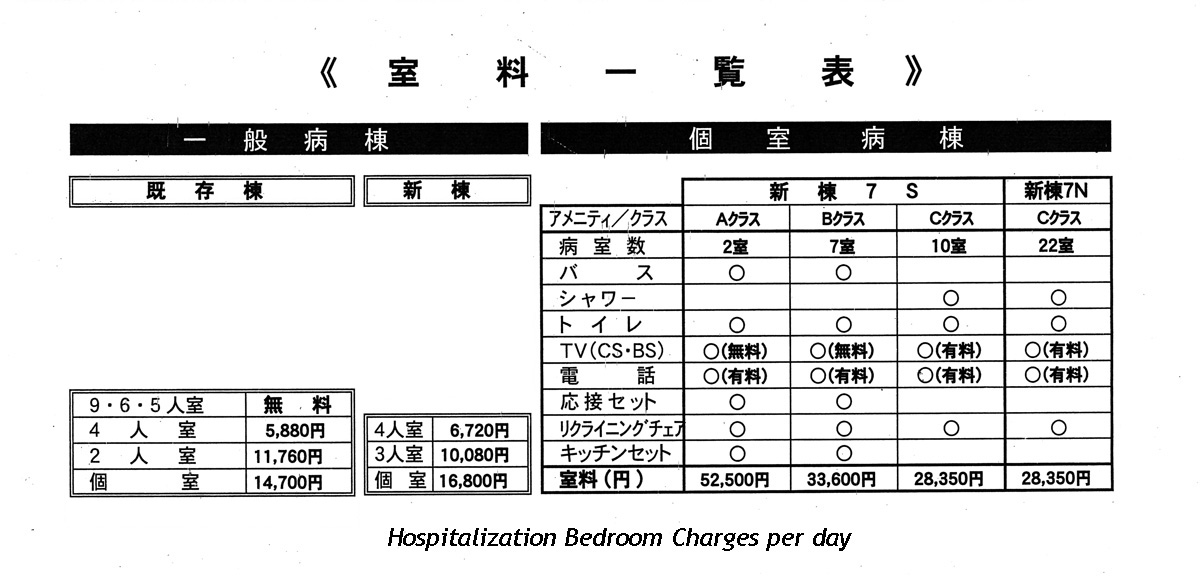
入院費用は多分14-15万くらい、差額ベッド代の資料ももらった。豪華な個室病棟もあるみたいだ。


I had the medical checks prior to the operation this week. Lots of shots in my eyes were taken, and occasionally I was told not to blink for 3 seconds but it was difficult.
My electrocardiogram taken the other day came out with a suspicion of Burgada syndrome, which I have never heard of, and was asked if I ever had sudden faints or if my relatives had one. My parents had economical problems but not their hearts.
The arrangement for today was to take X-ray pictures first, and then see the physician at the circulatory organ department for the professional opinion. The doctor told me that Burgada’s approach was purely statistical and the syndrome consisted of two unique factors combined: reversal peaks and suddlebacks called ST right after the pulses. Because my waveform showed only one of the factors, it can be generally judged unlikely.
I got back to the ophthalmology department with this result, and my operation was confirmed as scheduled. It requires 2 nights’ hospitalization from the 13th, and it may look overdoing for a cataract operation that requires some half an hour in the contemporary environment, but I appreciate this classic approach with full attention.
The expenses associated with the operation/hospitalization will be roughly $1700, and the price list for superior bedrooms was among the information given which is interesting. There are a few gorgeous rooms even with sofa, kitchenette, and bath or shower.

Wednesday, October 6, 2010

Gardiner’s Cantata Series Completed – ガーディナーのカンタータ全集が完結

10月に入るとすぐにロンドンからCDアルバム2巻が届いた。ガーディナーのバッハ・カンタータ全集の最終配布となる12巻と18巻で、思いの外早い到着だった。アルバム番号とBWV番号から曲を捜せるインデックス・シートも入っていた。
12巻では「恐れ」と「希望」がアルトとテナーで語り合うちょっと風変わりな60番が興味深かった。このアルバムの最後は140番「目覚めよ」だ。
18巻はクリスマスと公現節のカンタータが集められて、賑々しく63番で始まる。65番も名演だと思う。
それにしても200にも及ぶ曲を1年間で歌いきってしまう団体というのは想像を絶する力量だと思う。練習する暇などありそうに思えないのだが。


Immediately after the calendar flipped the page to October, I received from London the delivery of 2 CD albums: The volumes 12th and 18th of Gardiner’s Bach Cantatas that conclude the series finally. An index sheet was included for handy search of titles from either the volume number or the BWV number.
In the volume 12, No. 60 “O Evigkeit, du Donnerwort II” was interesting with unique dialogues of “Fear” and “Hope”, sung by an alto and a tenor. The last piece in this ablum was No. 140 “Wachet Auf”!
The Volume 18 is the collection for Christmas Day and for Epiphany that starts cheerfully with No. 63 “Christen, ätzet diesen Tag”. I think No. 65 “Sie werden aus Saba alle kommen” is an excellent performance.
By all means, how could a group manage playing almost 200 cantatas in only a year? Their ability is beyond the imagination, considering how much time left physically for practicing each of them!

Wednesday, September 29, 2010

Marvelous Kimiko Date Krumm – クルム伊達公子の健闘

40歳の誕生日の勝利、そして前夜は前回覇者のシャラポワを粘り抜いて破る快挙。東レ・パンパシフィック・テニスのクルム伊達公子の試合ぶりは見事だ。元々彼女の攻撃的ストロークはトップクラス・プレーヤーも手こずるものだったが、苦しい試合展開の中でゲームを修正できる柔軟性に彼女の進化を感じる。トーナメントに勝ち残る体力という課題はあるが、行けるところまで行ってほしい。


Kimiko Date Krumm celebrated her 40th birthday by winning against Daniela Hantuchova by 2-6, 6-0, 4-0 yesterday, and the day before had she even more excitingly the victory over Maria Sharapova, the defending champion of Toray Pan Pacific Open.
At her 20’s, Kimiko’s aggressive baseline strokes had always been a tough confrontation even for the top ranked players, and now she seems to have achieved the flexibility to rebuild the games with tactical adjustments when things are not going well with her. The remaining challenge is her physical reserve to continue the tournament toward the finalist, and I wish here the best luck!

Thursday, September 23, 2010

Doctor G – ドクターG

最近のテレビ番組でとても良いと思うのが「ドクターG」だ。4名の若手医師が患者の症状から病名を推理し、それについて出題者の経験豊富なドクターが討論するという硬派の番組なのだが、なかなか面白いし、好評とも言われている。総合診療医という定義がスポットライトを浴びるのは、背景にますます専門化する医療と絶対的医師不足という現実があってのことで、良い面だけを強調できないかも知れないが、その役割は医療とは何かという基本スタンスをしっかり捉え直す意味でも大きいと思う。僕の会社でもめざすのはスペシャリストかジェネラリストかという議論がありました。この番組は残念ながら今月で終了とのこと。こういう番組を増殖させてこそ、メディアは社会的責任を果たしているわけで、ねじを巻き直しての復活を願う。


NHK’s “Doctor G” is an exceptionally distinguished program in the recent television. The patient’s symptoms are presented to 4 young doctors who begin their logical approach to define the name of the illness, and the experienced Doctor G who posed this question assists and discusses with them to arrive at the final decision.
Because the medical treatment gets more and more specialized while the shortage of doctors continues to be serious, the accessibility to general doctors is even more vital today. The concept of general doctor might be a practical remedy to the problem providing us the opportunity to consider the fundamental aspect of what the doctor offers to patients although we cannot exaggerate only the good side of it.
I recall in my company, we used to discuss whether we should focus on the specialists or the generalists.
Unfortunately, the program ends by September. This kind of programs is good evidence of how the media could serve to function with responsibility to the pubic, and I hope it comes back with some more enhancements.

Wednesday, September 22, 2010

三崎 - Misaki


暑い夏は今日で終わるかも知れないし、天気の良いうちにと思い立って京急の終点駅三崎口まで行った。遠いところだが、逗子からは僅か40分足らずで、ここに来るのは本当に久しぶり。もちろんマグロで有名なところだが、今日は黒崎の鼻あたりを歩こうかと駅前の道を右に進む。バス(3番乗り場)に乗れば最初の停留所宮田で降りて、ガソリンスタンドを海の方に折れる。延寿寺をめざして上り坂に入れば良いのだが、そのまま海岸伝いに歩いてみた。しばらく行くと警備員が立っていて、「今日は撮影をやっているので先には行けない」と言う。仕方ないので戻って寺の方にまわる。寺を横目に坂を登り切ると広大な三浦の野菜畑が広がる。岬の鼻先をめざして右に進むと、ここにも警備員が配置されていた。不運としか言いようがない。何をしに来たのか分からない出かけになってしまったが、南寄りの海岸を少し歩いて引き上げた。


It may be the last day of the hot summer today, and it popped up in my mind to go out to Misakiguchi while the weather was fine. Misakiguchi is the end of Keikyu line but it is only 40 minutes train ride from Zushi. It has been years since I visited the area last time. Misaki is known for great tuna, but not chasing tuna today, I took the road in front of the station to the right thinking of a walk to Kurosaki-no-Hana. You may take the bus (from platform #3) and get off at the first stop, Miyata. You will see a gas station and the road toward the sea. Normally, you need to follow the road to the direction of Enjuji temple, but I continued along the water. On the shore was a guardman who told me that no one could go further as there was a movie shooting going on. I took back to take the road for Enjuji and ascending further I was in the middle of huge, flat vegetable field. The end of the cape is on the right, but there was another guardman to stop me. What a day!

Saturday, September 18, 2010

Lessons to Sing Messiah – メサイアの合唱練習

メサイアの合唱練習は今日から全曲演奏モードに入ったが、今日は朝から夕方までかけて、歌えたのは第二部と第三部だった。全54曲のメサイアの中で合唱曲は20曲あって、僕には特に力の入る曲がいくつかある。

第12曲 For unto us a Child is born
第28曲 He trusted in God
第35曲 Let all the angels
第51曲 But thanks be to God
第53曲 Worthy is the Lamb

歌っていると、テナーの旋律が素晴らしいし、惚れ込んでしまうと一段と感情移入してしまう。28番などはみんな歌詞に苦闘しているのだが、僕は気合いで早々に叩き込んだ。
それと全曲に親しむほどに、「I know that my Redeemer liveth」の名曲で始まる第三部は、大詰めに向かって見事な合唱曲が並び、聴き応えがあることを改めて悟る。

自宅での練習にはCDも使う。トン・コープマン盤とガーディナー盤を持っているが、最初はまるで歯が立たなかったこれらのディスクに、ようやくどうにか併走できるレベルにはなってきた。他にビデオでトン・コープマンが1983年に来日した演奏会記録をVHSに残しており、これは僕としては愛着のある演奏だ。さらにマリナー盤のLPもあるが、流石に今やこれはやや古風だしLPなので使わない。合奏が入るリハーサルまでに練習はあと6回を残すのみだ。


[*写真は1983年東京でのコープマン演奏会。画面にはカウンターテナーのマイケル・チャンスも見える。]
[*The photo is Messiah concert in Tokyo, 1983 by Koopman/ABS. Michael Chance, the counter-tenor soloist appears.]

Starting this Saturday, we entered into the mode of the chorus lessons to scan the entire program, and we sang today the Parts II and III from the morning through the afternoon. Among total 54 pieces of music in “Messiah”, there are 20 pieces for the chorus, and there are a few songs that I am particular about:

No.12 For unto us a Child is born
No.28 He trusted in God
No.35 Let all the angels
No.51 But thanks be to God
No.53 Worthy is the Lamb

As you sing, you will find the melodies of these songs for the tenor are so exquisite, and once enchanted, you will be automatically passionate singing.
In case for No.28, other members still struggle with the words, but I did a very concentrated effort of learning by heart a while ago.

As one gets more familiar with the entire Messiah, one will realize that the Part III is very exciting to listen to that begins with the famous song of “I know that my Redeemer liveth” and then lines up series of fabulous chorus songs toward the ending.
For practicing at home, I make use of CDs. I have the sets of Ton Koopman and also of John Eliot Gardiner. It was totally impossible for me to follow them when I started this challenge, but I can now manage singing along with them. As for video, I have a recording of Koopman’s concert in 1983 when he and his crews visited Japan, and this VHS tape is a lovable collection of mine. I also have the LP set by Neville Marriner, but it is slightly too aged in style for now, and the LP is not practical to manipulate, so I do not borrow their performance. It leaves only 6 more lessons before the rehearsal with the orchestra.

Friday, September 17, 2010

The Autumnal Skies - 秋空

Typhoon pushed the summer away and brought a dramatic temperature drop.
The skies were clear early in the week. The first photo is the view in front of Isuzu noodle restaurant in Tsumagoi Highlands. The sunset glow of the clouds is the sky up in Kusatsu Onsen.


台風に押し出されるように夏が去り、温度は一気に下がって、今週始めは秋晴れだった。写真は嬬恋高原の蕎麦屋五十鈴前の風景と草津の夕焼け空。

Thursday, September 16, 2010

Yundi Li on Tour - デビュー10周年のユンディ・リー

今朝、テレビ朝日の番組にユンディ・リーが出演して英雄ポロネーズを演奏していた。デビュー10周年のコンサーツアーで来日中とのこと。デビュー当時と比べるとかなり肉付きの良い大人に変身している。演奏はミスタッチが多く、やや興ざめだったが、単なる販促活動ではこんなものか。演奏後、キャスターの赤江さんが「朝は苦手なんですよね」と声を掛けていたのが、それを物語る。


Yundi Li appeared in a program of TV Asahi this morning and played Chopin’s polonaise “Eroica”. He visits a few countries celebrating the 10th anniversary of his debut. Yundi has turned into a very mature adult now from a young, skinny boy. His performance was not so much appealing with numerous errors, but it was probably a mere promotional appearance. The female newscaster asked him afterward if he was not good at waking up early, and it sounded implying.

Wednesday, September 8, 2010

The Land Bank in Japan – 日本の森林が買われていく


外国資本が日本の森林を買っていくと「クローズアップ現代」が報じた現実は、我々のような一般的日本人にもちょっとした衝撃だった。
北海道の具体例では、イギリス、豪州、中国、ニュージーランド、シンガポールの資本が既に入っていることが自治体の調査で明らかになった。木材需要が急騰する中国の資本がインドネシアやロシアで違法な森林伐採を大規模に行った事例もあって、我々は咄嗟に外人による乱開発を想像して浮き足立つのだが、市場開放そのものが悪とは言えない面もあり、この問題は突き詰めると外国資本に限らず、社会資産としての森林資源の所有と維持に対する法整備の遅れということに尽きるだろう。
森は育てるもので、それには人手もかかる。しかし林業は低価格の外材に席巻されて以来、衰退産業化して久しく、後継者も育たず、現実に間伐さえままならない末期的状況にある多くの森が悲鳴を上げている。そんな時に国内の常識的価格の5倍もの現金を見せられたら、将来展望の見えない森林所有者が山を手放す気になるのは容易に理解できる。そんな袋小路の日本を外から見ると伐採期を迎え、豊かな水資源に支えられた日本の森林は価値が高いというのは皮肉な話だ。
甘いかも知れないが、僕は個人レベルの共同出資を全国レベルで組織して小さな森林からでも具体的に若者を林業に誘導して従事させるような組合というか団体を広めていくことは可能だと思う。森はラスベガスやマカオではない。
北海道の森林を買った中国富豪の場合は仲介業者のイギリス人によると長期投資目的のようで、アメリカでも今やエコブームもあって森林ファンドの将来性に関心は高いという。水と木を育む国土の源である森をひと頃の石油やトウモロコシのようなマネーゲームの対象にしてはならないのだ。


NHK broadcast the program “Close-up Gendai” yesterday reporting that foreign capitals were buying forests in Japan, which was a small shock to us typical Japanese.
In practice, Hokkaido Prefecture looked into the situation to find that some forests were already owned by British, Australian, Chinese, NZL and Singaporean capitals. Because the demand for woods in China is increasing enormously, they did some large-scale deforestation illegally in Indonesia and Russia, and the same kind of excessive development of forests by foreigners becomes a concern for us to react with uneasiness. Openness of the market is not necessarily a bad thing, and this particular issue may not be only related to foreign capitals, but it ultimately boils down to the unprepared legal arrangement and regulation with regard to the possession and the maintenance of forests being attributed highly as the fundamental social resource.
The forest grows through human hands and it requires the manpower. Nevertheless, the forestry business significantly recessed since the introduction of low-cost foreign woods, and the successors are disappearing that has caused some catastrophic situation not being able to execute such works as the proper culling. The forests are crying. If the forest owners are offered the money that is 5 times more than typical domestic value when they have lost the hope for the future, it is easy to expect that they would give up their land. Ironically, this cul-de-sac, if observed from the outside, appears as a property with high value because the woods are about the time to cut and the climate is rich with water.
I could be superficial, but I think it is quite possible to gather individual investors of small amount nationwide organizing a group to start with some small forests in practice inviting the young generation to the forestry to maintain and grow from there. It is simply a better alternative to mere selling and buying of forests by rich investors.
According to the English broker, his Chinese client bought the forest in Hokkaido as a long-term investment, and today the forest funds are attracting more attention in US along with the “green” boom. On the other hand, the forest is the fundamental factor of our country’s land preserving the woods and the water, and we must not treat it as a money-game objective like the oil or the corn as we have seen a while ago.

Sunday, September 5, 2010

ガーディナーの「モンテヴェルディと私」 - Monteverdi and Me


モンテヴェルディ合唱団のニュースサイトにガーディナーがヴェスプレを足掛かりに指揮者になった昔話をしている。これはガーディアンからの転載で、トム・サービス氏のインタビューに答えたものだ。内容を訳してみた。

The news page of Monteverdi Choir website features the old story of how Sir Gardiner turned to be a conductor in relation with the Vespers in his early days, as interviewed by Tom Service in the Guardian. I have translated the first half of the content as follows:


私がモンテヴェルディに接したのは、8歳の時まで遡るのですが、私たちが住んでいたドーセットの近くのブライアンストンでサマー・スクールがあって、校長のウィリアム・グロック氏はそこにブリテン、ティペット、ヒンデミット、ストラヴィンスキー、ホルストなどを招聘していました。1950年代の初め頃、彼はマリピエロ版のモンテヴェルディ・マドリガル集を手に入れ、フランスからナディア・ブーランジェが教えにやって来て、それを指揮したのです。私はそこに参加していて、20世紀の偉大な教師の下で、子供ながらその素晴らしい音楽を歌ったのです。
私がモンテヴェルディの音楽に感化されたのはそれが始めですが、その後もっと大きな感銘を「ヴェスプレ」から受けました。50年代後半にヨーク大聖堂でワルター・ゲールが指揮するロンドン交響楽団の演奏を放送で聴いたのです。我が家ではいろんな音楽をやっていましたが、こんな音楽を聞く準備は私には全然なくて、その豊潤で、魅惑的で、圧倒的なドラマ性にはまってしまったのです。いつかこの音楽に取り組んで自分で指揮したいとの思いが心の中で芽吹いたのはその時だったかなという気がします。
ケンブリッジ在学中に、自分がまだどの道に進むのか定かでないまま、その時は歴史を学んでいて、特に中東との関わりが強かったのですが、ひとつの機会が来ました。私の先生だった社会人類学者のエドムンド・リーチ氏から、1年間だけ休学して音楽家として進むべきか見極めてはどうかと親身に言っていただいたので、それを試すためにキングス・カレッジの教会でヴェスプレの演奏を組織して指揮することに決めたのです。
デニス・アーノルドの主張はそれをひとつの作品として捉え、ヴェスプレを構成する個々の詩篇、モテット、賛美歌、ソナタ、聖歌をアマディーノが1610年に出版した時の順序のままで演奏することでした。当時の音楽学におけるシャーロック・ホームズ的存在だったサーストン・ダートは私自身の版を作ってみるように勧めてくれました。合唱団作りを始めた私はロンドン・カレッジから女声陣を補強し、男声陣は全員ケンブリッジから集めました。私は厚かましく合唱研究者のオーディションまでしましたが、彼らもレイモンド・レッパードと平底船上で風変わりなマドリガルを歌ったことがあるくらいで、モンテヴェルディの楽譜を見たことなどなかったのです。彼らには全く異質のスタイルで歌ってもらいました。謙虚なケンブリッジ・スタイルの耳当たりの良さと流暢さではなく、鮮明な色彩、劇的さ、活気、熱気を求めていて、それらこそモンテヴェルディの音楽スタイルの真骨頂だと私は考えていたのです。
ロバート・ティア、ジョン・シャーリー・カークなどの歌手、サイモン・プレストン、アンドリュー・デイヴィス、デイヴィド・マンロウなどの音楽家と出会えたのも幸運でした。1964年3月5日の演奏会はちょっとした話題になりました。荒っぽいやっつけ仕事だったかも知れませんが、私にとってはそれが天啓で、指揮者としての道を歩む答えとなったのです。

以上が前半部分。あとはプロムスで控える19回目の演奏会に向けてのヴェスプレの話が続く。

Thursday, September 2, 2010

Die Walküre in Bayreuth – バイロイト生放送

8月下旬、バイロイト祝祭劇場から楽劇「ワルキューレ」がハイビジョン5.1サラウンドで生放送されるというのを、リスニングルームに籠もってしっかりプロジェクターで鑑賞した。まず冒頭、弦が鳴り始めるとその響きの生々しさに引き込まれ、距離感を一気に失う。オーケストラが何しろ見事だ。
幕が開くと神話の世界が何やら現代風の舞台だ。細部まで鮮明な映像、そして歌手のアップも多いカメラワーク、ここまで物語を良く理解させてくれる「指輪」は観たことも聴いたこともない。ワグネリアンではない僕にも質の高い舞台が楽しめる。
逆に歌手が見えすぎるため、近親愛のジークムントとジークリンデがお互い巨漢のカップルでイメージに合わないという人もいると思うが、この長丁場をしっかり歌いこなせるのはこの体躯があるからだと思い知らされるところでもある。今にも死にそうな椿姫が全然痩せ細っていないのはいつものことで、その逆説を乗り越えてこそのオペラファンなんでしょうね。そのあたりの話題を続けさせてもらえるなら、僕としてはブリュンヒルデの髪型を何とかしてほしいと思った。炎の赤は良いとして、年寄りのカツラじゃないんだから、やはり情熱的に波打つウェーブでしょう。
幕間が1時間ずつ2回あって、バイロイト詣には相当な覚悟が必要というのも分かった。カーテンコールで圧倒的な喝采を受けていたのはジークムントのヨハン・ボータとジークリンデのエディット・ハラー、そして指揮者ティーレマン。これは正当な評価だと思う。とにかくたいした時代になったものだ。


The live broadcast of Wagner’s Walkure in HD and 5.1 surround from Bayreuther Festspiele was transmit in the late night on August 21. I watched it fully prepared over the projector screen in my listening room. The vivid sound of strings in the beginning was so terrifying that I was immediately trapped and lost the distance. The performance of the orchestra was outstanding.
As the curtain opened, the mythical stage was rather contemporary with clear resolution in all details, and I have never seen “The Ring” in depth so digestibly before. This stage of quality was absolutely exciting to watch even not being a Wagnerian myself.
On the other hand, as the camera closed up the singers, some people might find somewhat conflicting to their imagination in recognizing the physical size of the bodies of Siegmund and Sieglinde. To me, it evidently owed to their physical structure for the characters to successfully sing through this long masterpiece. The dying Traviata is almost never a slim character in the opera, and only by overcoming this paradox, you will be a true opera fan! If I may continue this topic, I would hope the hairstyle of Brünnhilde different: While the flaming red was right, its shape looked like a typical fixed wig for old woman. The passionate hair should be waving in my opinion.
2 intermissions were 1 hour long each, and I found it required some determination to participate this ceremonious and almost religious event. The biggest applause at the curtain calls was given to Johan Botha as Siegmund, Edith Haller as Sieglinde, and Christian Thielemann the conductor. I thought it was a fair reaction.
This broadcast was indeed an epoch.

Wednesday, September 1, 2010

September but Summer Continues – 9月もまだ夏

今年は気象庁の観測史上113年間で最も暑い夏とのことだ。8月の平均気温を見ると、東京29.6°(+2.5)、大阪30.5°(+2.1)、福岡30.3°(+2.7)で平年との差が著しい。東京の熱帯夜48日も記録破りだった。早朝の空気にかすかな秋の気配は感じるが。


It is the record-breaking summer in Japan this year. Japan Meteorological Agency reported today that it was the hottest summer in 113 years since they started the measurement in 1898. Let’s look at the average daily temperature focusing on August: 30.5 (+2.1) in Osaka; 30.3 (+2.7) in Fukuoka; 29.6 (+2.5) in Tokyo. The difference from the typical is significant. As for Tokyo, it had record-breaking 48 “tropical nights” that exceed 25 degrees.